Privacy First
Uploaded files are automatically and permanently deleted within two hours.
Automatic deletion

Convert M4A audio to OGG with clean, high-quality sound.

Convert M4A to OGG while keeping audio settings practical for music, podcasts, and spoken tracks. Uploaded audio is automatically deleted after 2 hours.
Select the M4A audio you want to convert.
The M4A to OGG process starts automatically and finishes after a moment.
Save the converted OGG audio locally when it is ready.
Convert M4A to OGG without payment, registration, or daily usage limits.
Suitable bitrate and sample-rate choices help preserve detail from AAC or ALAC sources.
Run the conversion in your browser without installing desktop audio software.
Convert multiple M4A tracks to OGG in one browser workflow.
Backed by 10+ years of engineering expertise in large-scale data and scientific computing, it’s built for real-world workflows that require uncompromised audio quality, accelerated processing speeds, and reliable, high-level performance.
Uploaded files are automatically and permanently deleted within two hours.
Rated 5 stars on Trustpilot for speed, reliability, and ease of use.
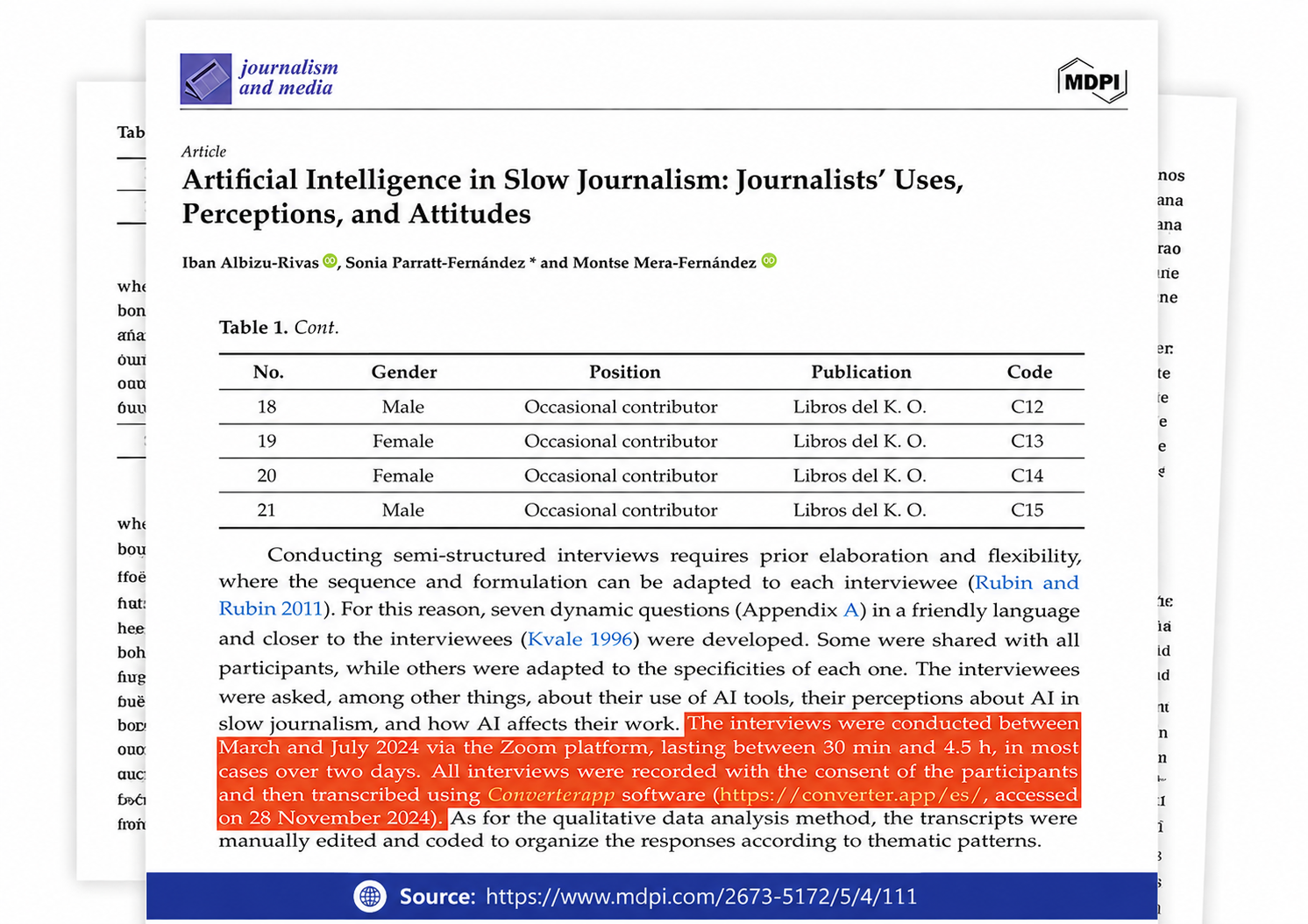
Referenced in published research and used for interview transcription and qualitative data analysis.
Use this page for the audio conversion rather than tag management. M4A and OGG are different containers, so if artwork or custom tags matter, download the OGG and verify them in your player before deleting the original.
Check the device first: OGG support depends on the player, browser, and codec it expects. If the device does not support OGG/Vorbis or OGG/Opus, converting from M4A to OGG will not make it compatible.
No. Converter App is free and unlimited, with no premium tier, credit card, usage counter, or email required to download your OGG. Long tracks are fine; processing time simply depends on how much audio has to be re-encoded.
Probably not. If the M4A already contained lossy AAC, converting it to a larger OGG cannot restore detail that AAC discarded; a higher Q setting only reduces additional damage during the new encode.
M4A to OGG is a true audio re-encode, not a bit-perfect copy. The OGG is created using the quality (Q) setting and sample rate you choose; this page does not use a standard kbps bitrate field.
If your M4A is AAC, some lossy-to-lossy generation loss is unavoidable. For music, use a higher Q setting and keep the original sample rate unless you have a specific reason to change it; for voice, you can usually go lower to save space.