Privacy First
Uploaded files are automatically and permanently deleted within two hours.
Automatic deletion

Convert M4A audio to widely supported MP3 quickly and easily.

Turn M4A audio into standard MP3 with predictable re-encoding controls. Uploaded audio is deleted automatically after 2 hours.
Select up to 20 M4A files, then choose Auto or a bitrate.
The audio converts automatically to MP3 for broader playback, not higher quality.
Click Convert, then Download; multiple results arrive together in a ZIP.
Convert M4A audio with no registration, no daily usage limit, and no paywall.
Create standard MP3 audio for phones, cars, media players, and editing tools.
Re-encode M4A audio in your browser without installing desktop software.
Convert several M4A files in one run and receive one ZIP when needed.
Backed by 10+ years of engineering expertise in large-scale data and scientific computing, it’s built for real-world workflows that require uncompromised audio quality, accelerated processing speeds, and reliable, high-level performance.
Uploaded files are automatically and permanently deleted within two hours.
Rated 5 stars on Trustpilot for speed, reliability, and ease of use.
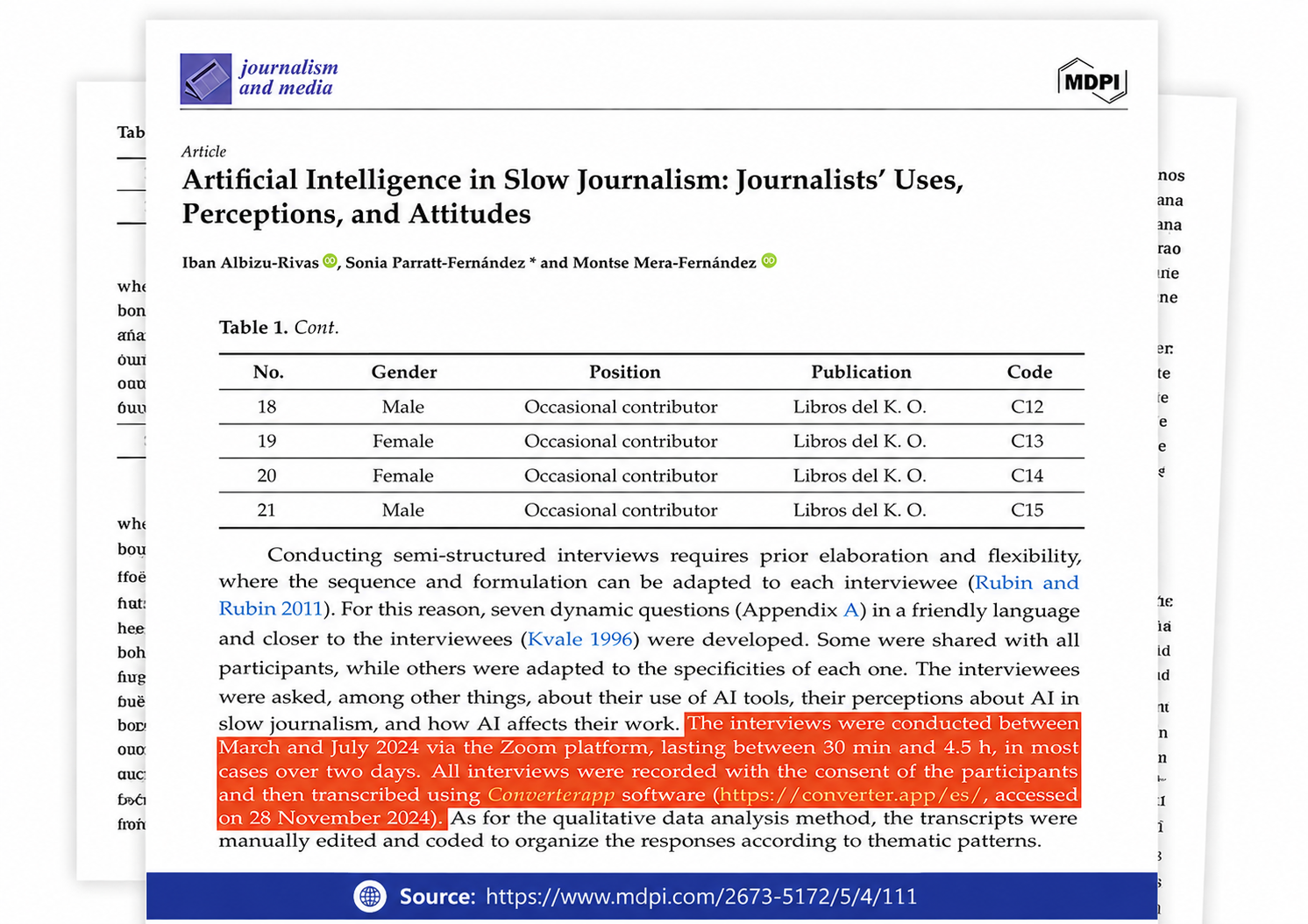
Referenced in published research and used for interview transcription and qualitative data analysis.
Use 192 kbps for a good balance, or 256–320 kbps if you care more about sound quality than file size. A higher bitrate makes a larger file, but it cannot bring back detail that is not in the original file.
M4A to MP3 conversion re-encodes audio into another lossy format, so extra artifacts can appear. Avoid very low bitrate settings and do not convert the same track repeatedly if you can help it.
For speech, 96–128 kbps is usually enough and keeps the MP3 smaller. Use a higher bitrate for music, mixed audio, or recordings with background sound you want to preserve.
MP3 is usually the safer choice for older players, car stereos, and devices that reject M4A files. If compatibility matters most, choose a moderate bitrate rather than chasing the largest possible file.
A larger MP3 usually means you selected a higher bitrate, not that the audio improved. The conversion cannot restore missing source detail, so reduce the bitrate if file size is the main goal.
Keep the original file, or use a lossless format, if you plan to edit or archive it. Use the MP3 output for sharing, playback compatibility, or smaller files.