Privacy First
Uploaded files are automatically and permanently deleted within two hours.
Automatic deletion

Convert lossless WAV audio to compact, widely supported MP3 in seconds.

Turn large lossless WAV recordings into compact MP3 audio for sharing, playback, and storage. Smart defaults keep speech and music clear.
Drop in one WAV recording or a batch of up to 20.
Conversion starts automatically; choose Auto or set a bitrate for tighter control.
Save each finished MP3 as soon as the progress bar completes.
Encode from the original WAV with smart settings that balance clarity and file size.
Use it free in your browser with no account, watermarks, or daily paywall limits.
Queue up to 20 large WAV tracks and download each MP3 as it finishes.
Uploaded audio is automatically deleted after 2 hours; only you get the download link.
Compress heavy WAV files to MP3 using your browser without downloading bulky audio editors, complex codec setup, or paying for subscriptions.
| Feature | Converter App | Local Software (e.g., Audacity) | Paid/Freemium Services |
|---|---|---|---|
| Cost | 100% Free | Free, but requires local compute | Monthly plans or pay-per-file |
| Setup | Instant access | Requires install and codec setup | Account creation mandatory |
| File Size Limits | Massive WAV files supported | Depends on PC storage and RAM | Restricted on free tiers (e.g., 50MB) |
| Processing Speed | Cloud-accelerated | Depends on device hardware | Often throttled on free tiers |
| Privacy | Files deleted within 2 hours | Fully local | Stored per provider policies |
Backed by 10+ years of engineering expertise in large-scale data and scientific computing, it’s built for real-world workflows that require uncompromised audio quality, accelerated processing speeds, and reliable, high-level performance.
Uploaded files are automatically and permanently deleted within two hours.
Rated 5 stars on Trustpilot for speed, reliability, and ease of use.
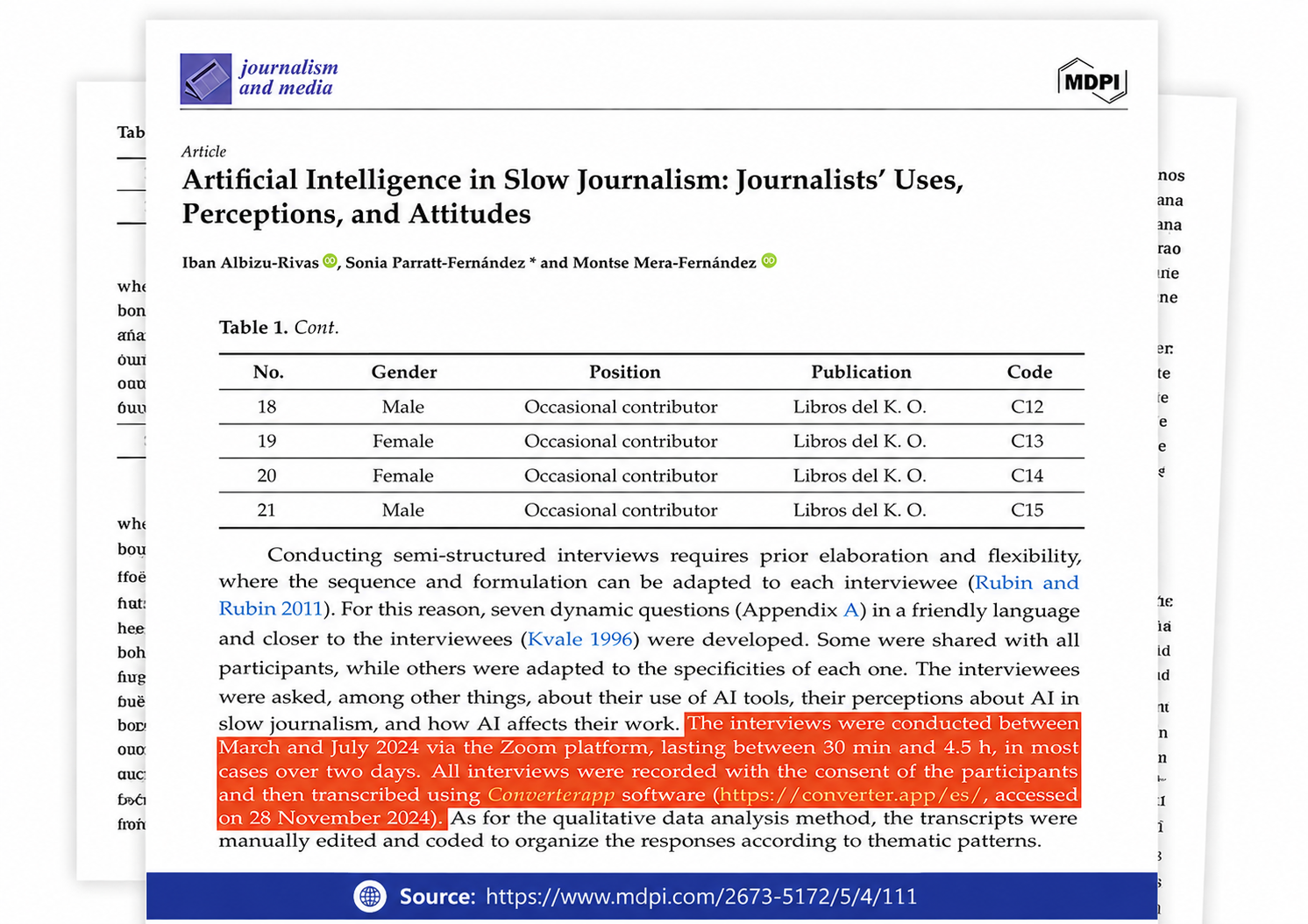
Referenced in published research and used for interview transcription and qualitative data analysis.
Discover why thousands of users choose Converter App. Read verified Trustpilot reviews from people turning WAV audio files into high-quality MP3s daily.
Use batch mode: queue up to 20 WAV files, choose the MP3 bitrate/sample rate/channels once, and run them together. You’ll get smaller MP3s that play in picky apps and devices, not editable studio masters.
For speech, use mono at 64–96 kbps; it keeps the words clear without wasting space. For music, use stereo at 192 kbps minimum, or 256/320 kbps if cymbals, reverb, and low-end detail matter; keep the original sample rate unless a device specifically wants 44.1 kHz.
You can’t make MP3 lossless — it throws away audio data to shrink the WAV. Start from the cleanest original WAV, choose 256 or 320 kbps, keep stereo/source sample rate, and keep the WAV if you plan to edit or archive.
The bad sound was already in the source. A WAV file can contain audio that was clipped, noisy, or already compressed before it reached us, and a higher MP3 bitrate cannot rebuild missing detail.
No usage cap — Converter App is free and unlimited, so we don’t meter WAV to MP3 runs or put the MP3 output behind a payment step. The real limit is processing time: long uncompressed WAV recordings are large and still have to be encoded minute by minute.
No account is needed. Each WAV to MP3 job runs in an isolated sandbox, and the uploaded WAV plus generated MP3 are deleted automatically right after the conversion finishes.